Structural Drying & Dehumidification in Milpitas, CA
Surface dry is not structurally dry. The drying team measures framing, drywall, subfloor and slab, sets equipment to each room's load and leaves only when the readings match a dry reference.
(888) 774-9605Start the Milpitas structural dry-out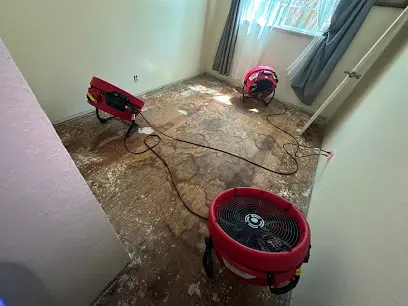
First steps for structural drying in Milpitas
- 1Stop the water
No drying works while the source is still active.
- 2Remove standing water
Extraction always comes before drying equipment.
- 3Leave equipment running
Do not turn off air movers or dehumidifiers.
- 4Keep windows as set
Opening windows can slow a dehumidified dry-out.
- 5Let the readings decide
Equipment leaves when materials read dry.
What does structural drying and dehumidification cost in Milpitas, CA?
In Milpitas, CA, structural drying typically runs $1,200 to $12,000 or more, depending on the class of the loss, the number of rooms, the equipment count and how many days drying takes.
| Loss size | Typical range | What usually drives it |
|---|---|---|
| Class 1 or 2, one area | $1,200 to $3,000 | A few air movers, one LGR unit, three to five days |
| Class 3, several rooms | $3,000 to $6,500 | Walls and ceilings wet, injection drying, several LGR units |
| Class 4 or whole floor | $6,500 to $12,000+ | Hardwood or slab, desiccants, extended drying |
Ranges only, never a quote. The category of water, the square footage, the material class and how fast drying started move the number most. The water damage cost calculator gives a closer planning range.
How structural drying is handled in Milpitas
- 1
Map
Moisture map and dry reference readings taken first.
- 2
Set
Air movers, LGR and desiccant units placed to the room load.
- 3
Log
Daily psychrometric and material readings recorded.
- 4
Verify
Equipment removed only when materials reach the goal.
Drywall can feel dry to the touch while the stud behind it, the bottom plate or the slab under the carpet is still wet. That hidden water is what leads to swelling, odor and mold weeks later. Structural drying is the part of water damage restoration that goes after the water inside the building materials, and it is measured, not guessed.
How the drying plan is built
The tech who does the walkthrough starts with a moisture map: readings on every wall, floor and ceiling area, marked on a sketch of the home, plus readings of a dry reference material in an unaffected room. The class of the loss, Class 1 through 4, sets how much equipment each room needs.
- Class 1: a small area with low-porosity materials, little evaporation needed
- Class 2: a whole room with carpet and wall wicking up to about two feet
- Class 3: walls, ceilings and insulation saturated, often from above
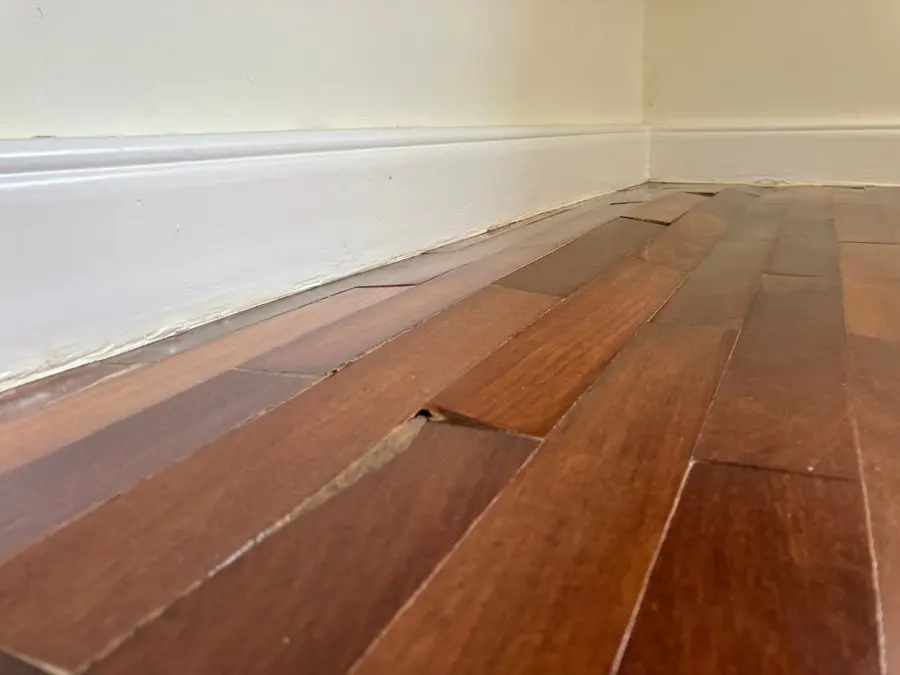
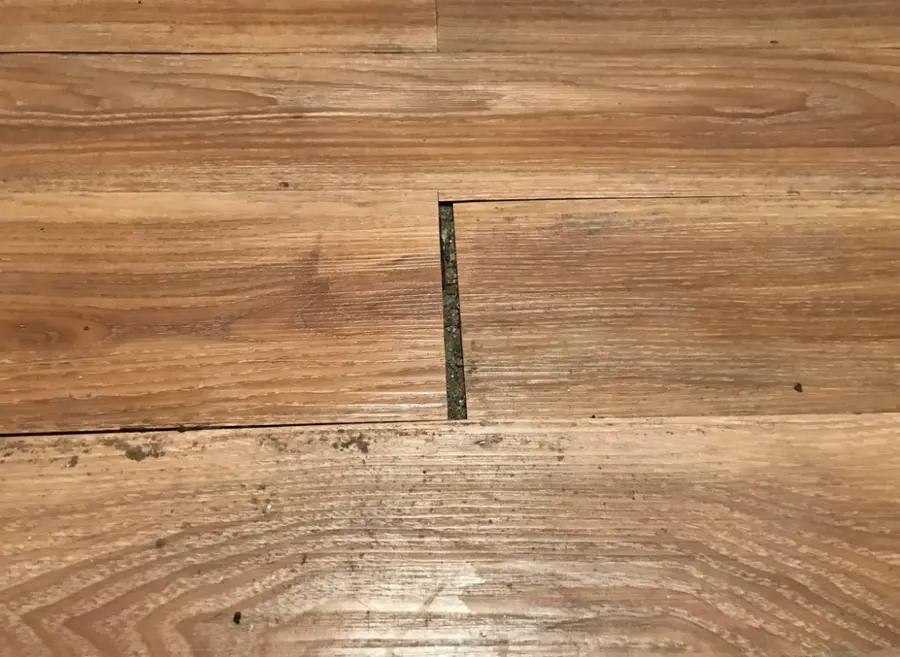
- Class 4: dense materials such as hardwood, plaster and concrete that need special drying
The equipment and why it is placed where it is
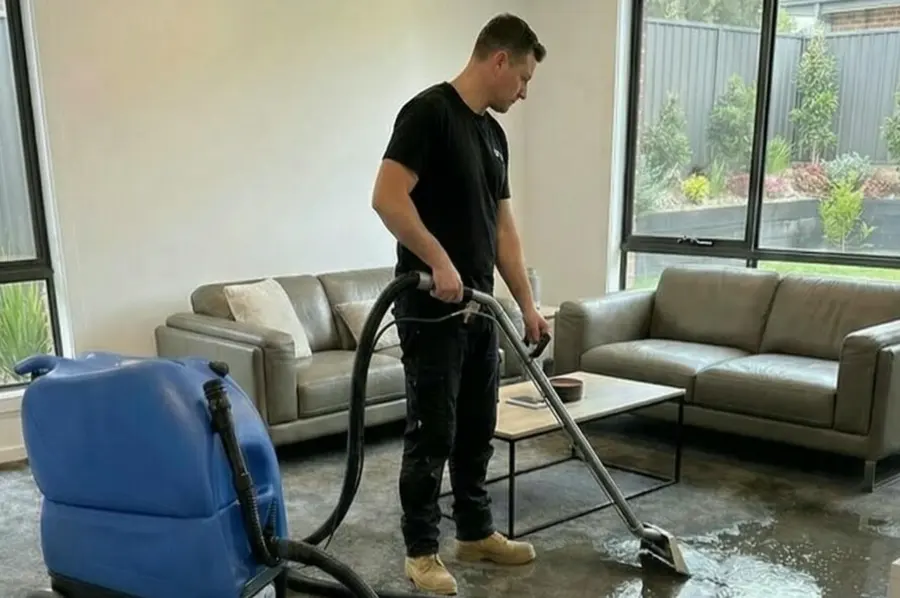
Air movers sweep air across wet surfaces to move moisture into the air. LGR (low grain refrigerant) dehumidifiers pull that moisture back out, even when the air is already fairly dry, which matters in Milpitas where summer air is dry but winter air can be damp. Desiccant dehumidifiers dry dense Class 4 materials like concrete slabs and hardwood. Injection systems push dry air into wall cavities and under cabinets.
Each day the drying team records temperature, relative humidity and grains per pound in each room and outside, along with material readings. Equipment is moved or removed as areas reach the goal: within 2 to 4 points of the dry reference.
Why the logs matter for your claim
The daily psychrometric logs, the moisture map and the photos are the evidence that drying was done to the standard and ended for a reason. Adjusters read that file. EPA indoor air quality explains how indoor humidity affects a home, and OSHA flood cleanup safety covers safety around drying equipment and wet structures.
Structural drying in Milpitas buildings
Slab-on-grade ranch homes need the slab surface and wall bottoms dried, often with desiccants under lifted flooring. Two- and three-story townhomes need the floor systems between levels dried, which means ceiling access and injection drying.
Commercial and podium buildings add concrete decks and large open floors, where dehumidification is sized to the volume of the space rather than room by room.
Covering Milpitas, CA and the east foothills
The Milpitas restoration crew handles structural drying across ZIP code 95035 and the neighboring South Bay cities, day or night.
Sunnyhills, the Transit Area, Midtown, Summitpointe, the Jacklin Road neighborhoods and McCarthy Ranch, plus North San Jose, Berryessa and Warm Springs next door.
See every neighborhood and ZIP coveredRelated water damage services in Milpitas
Structural Drying and Dehumidification questions in Milpitas
What is IICRC S500?
IICRC S500 is the industry standard for professional water damage restoration. It covers how water losses are classified, how drying equipment is set and how drying is verified with measurements.
Why can't I just use fans?
Fans move moisture into the air but do not remove it. Without dehumidification the humidity rises and moisture moves into other materials. Structural drying balances air movement with dehumidification and measures the result.
How is dry defined?
Wet materials are compared to the same material in an unaffected part of the home. Drying is complete when they read within 2 to 4 points of that dry reference.
How long does structural drying take?
A contained Class 1 or 2 loss usually dries in three to five days. Hardwood, plaster and concrete take longer.
Why is the equipment so loud?
Air movers and dehumidifiers run continuously to keep evaporation steady. Turning them off overnight slows the dry-out and can extend the job.
What goes in the drying log?
Daily temperature, relative humidity and grains per pound for each room and outside, plus material readings for each wet area, photos and equipment counts.
Structural Drying and Dehumidification in Milpitas? Call now.
The restoration team extracts the water, dries the structure to the IICRC S500 goal and records every reading for the claim file.