Storm & Creek Flood Cleanup in Milpitas, CA
Outside flood water carries soil, oil and sewage. The mitigation team treats it as Category 3: extraction, removal of soaked porous materials, cleaning, antimicrobial and verified drying.
(888) 774-9605Start the Milpitas flood cleanup now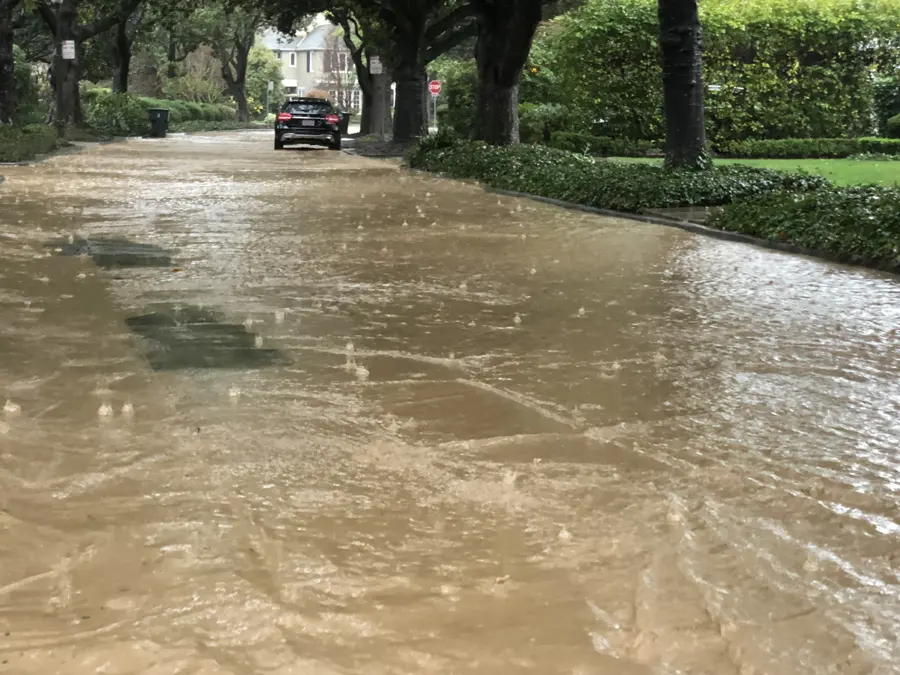
First steps for storm and creek flood cleanup in Milpitas
- 1Stay out of moving water
Never walk or drive through flood water.
- 2Power off if safe
Shut the main breaker only if you are dry and the panel is dry.
- 3Wear boots and gloves
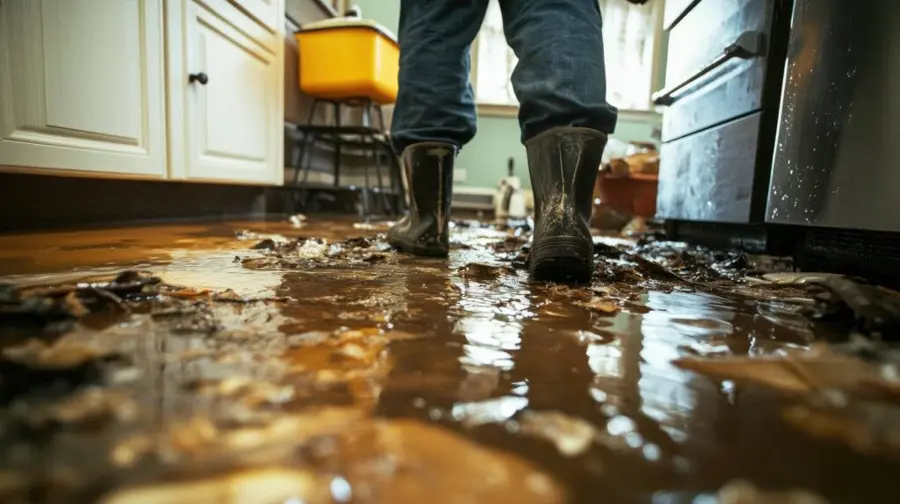
Treat all flood water and mud as contaminated.
- 4Mark the water line
Photograph the highest water line in each room.
- 5Call for Category 3 cleanup
Extraction, removal and antimicrobial go together.
What does storm and creek flood cleanup cost in Milpitas, CA?
In Milpitas, CA, storm and creek flood cleanup typically runs $2,500 to $35,000 or more, depending on the water depth, the square footage, how much material must come out and how quickly the cleanup started.
| Loss size | Typical range | What usually drives it |
|---|---|---|
| Garage or one room | $2,500 to $6,000 | Shallow water, flood cut and cleaning, antimicrobial |
| Ground floor | $6,000 to $15,000 | Several rooms, carpet, pad, drywall out, HEPA air scrubbers |
| Deep or whole-home | $15,000 to $35,000+ | Cabinets and flooring, mud removal, extended drying |
Ranges only, never a quote. The category of water, the square footage, the material class and how fast drying started move the number most. The water damage cost calculator gives a closer planning range.
How storm and creek flood cleanup is handled in Milpitas
- 1
Pump out
Standing water and mud removed, water line recorded per room.
- 2
Remove and contain
Flood cut, carpet, pad and insulation out under containment.
- 3
Clean and treat
Surfaces cleaned, EPA-registered antimicrobial applied.
- 4
Dry and verify
Air movers and dehumidifiers until framing and slab read dry.
Milpitas sits between the east foothills and San Francisco Bay, and several creeks cross town on the way to the Bay: Berryessa Creek, Calera Creek, Lower Penitencia Creek and Arroyo de los Coches all drain toward Coyote Creek on the western edge. In an atmospheric-river storm, runoff from the hills arrives fast, storm drains back up and low streets, garages and ground-floor units take water.
Why flood water is handled differently
Rising water from outside is Category 3 the moment it enters a building. It has run across streets, yards and storm drains and can carry soil, fuel, fertilizer and sewage. That changes the whole job.
- Porous materials it touched, like carpet, pad and wet drywall, are removed, not dried
- Crews wear PPE and set containment around the work area
- Hard surfaces are cleaned and treated with an EPA-registered antimicrobial
- HEPA air scrubbers run while wet materials come out
How storm and creek flood cleanup works in Milpitas
After the water drops, the extraction crew pumps out standing water and mud. The tech who does the walkthrough records the water line height in each room, because that line sets the flood cut: drywall is usually removed a foot or more above the highest wet reading. Baseboards, insulation and lower cabinets that held flood water come out.
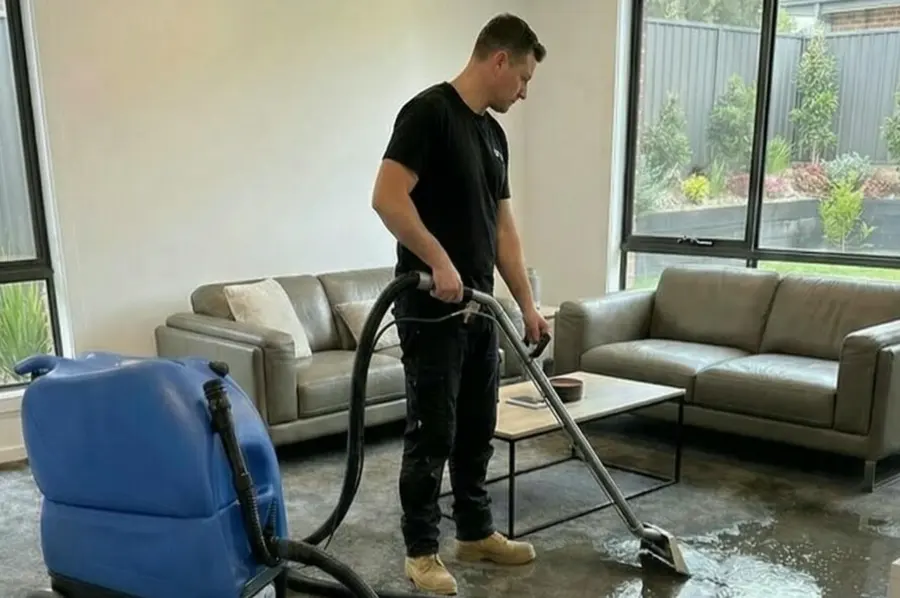
Then the drying team sets air movers and dehumidifiers, and readings are logged until the framing and slab are dry. Garages and ground-floor units on the Bay side, around McCarthy Ranch and the lower Transit Area, sit on soft bay mud and can take longer to dry at the slab.
Flood insurance and local flood information
Standard homeowners policies usually exclude rising surface water, which is covered under a separate flood policy. FEMA flood insurance explains the National Flood Insurance Program, and the National Weather Service Bay Area office issues flood watches for Santa Clara County creeks. Valley Water, the county water district, publishes creek and flood-risk information for Milpitas neighborhoods.
Garages, ground floors and podium buildings
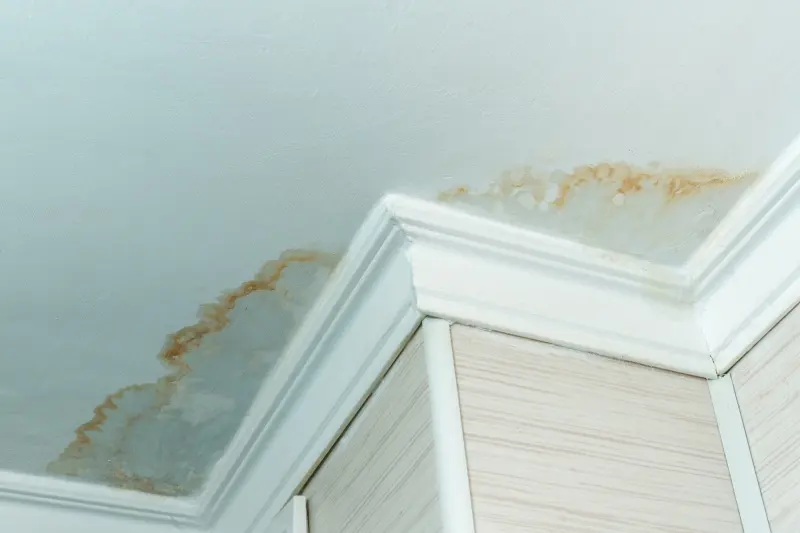
In Milpitas, storm water most often reaches garages and ground-floor rooms, where it soaks drywall, stored belongings and the bottom of the laundry area. Podium buildings can take water into parking levels, elevator pits and ground-floor retail.
The mitigation team separates what can be cleaned from what has to go, and the file lists each removed item category for the flood claim.
Covering Milpitas, CA and the east foothills
The Milpitas restoration crew handles storm and creek flood cleanup across ZIP code 95035 and the neighboring South Bay cities, day or night.
Sunnyhills, the Transit Area, Midtown, Summitpointe, the Jacklin Road neighborhoods and McCarthy Ranch, plus North San Jose, Berryessa and Warm Springs next door.
See every neighborhood and ZIP coveredRelated water damage services in Milpitas
Storm and Creek Flood Cleanup questions in Milpitas
Is flood water really that contaminated?
Yes. Water that rose from outside has crossed streets, yards and storm drains and is treated as Category 3. Wear boots and gloves and keep children and pets away.
What is a flood cut?
It is a horizontal cut in the drywall above the highest water line, usually a foot or more, so wet insulation and the bottom of the wall can be removed and the cavity dried and cleaned.
Does homeowners insurance cover creek flooding?
Usually not. Rising surface water is typically covered only by a separate flood policy. Coverage depends on your policy, so it is worth checking with your own insurer.
Can carpet be saved after a flood?
Carpet and pad that sat in outside flood water are removed and discarded, because Category 3 water soaks into the fibers and backing.
Which parts of Milpitas see storm flooding?
Low streets near the creeks, ground-floor garages and the Bay side of town are most exposed during atmospheric-river storms, along with homes where storm drains back up.
How long does flood drying take?
Once materials are out and surfaces are clean, drying often takes three to seven days. Thick slabs and bay mud sites can take longer.
Storm and Creek Flood Cleanup in Milpitas? Call now.
The restoration team extracts the water, dries the structure to the IICRC S500 goal and records every reading for the claim file.