Water Damage Restoration Milpitas, CA
24/7 water damage restoration in Milpitas, CA. The restoration team extracts standing water, dries the structure to the IICRC S500 standard and documents every step for your insurance claim.
(888) 774-9605Water on the floor? Call Milpitas nowFrom slab ranch homes in Sunnyhills to stacked townhomes by the Great Mall.
Water Damage Restoration Services in Milpitas, CA
Fourteen water and sewage services, each shaped around how Milpitas ranch homes, condos, townhomes and offices actually get wet.
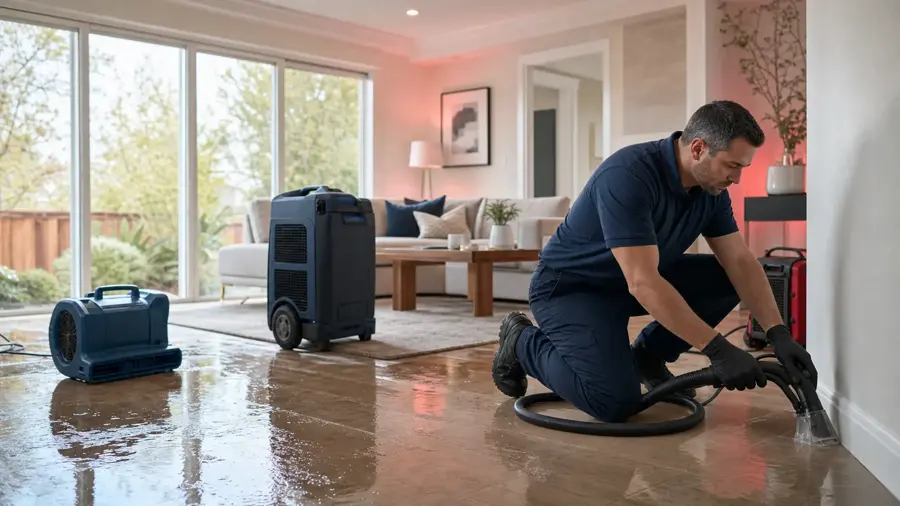
 Ranch homes on slabSlab Leak Water DamageHot-water and copper line leaks under 1950s to 1970s Milpitas slabs.View service
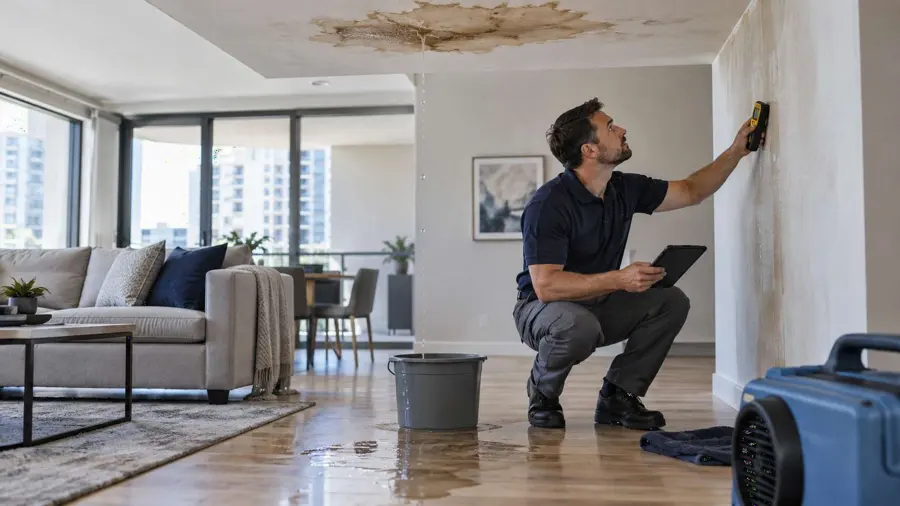 Stacked unitsCondo & Townhome Water DamageStacked-unit leaks traced up and down, with the unit below mapped too.View service
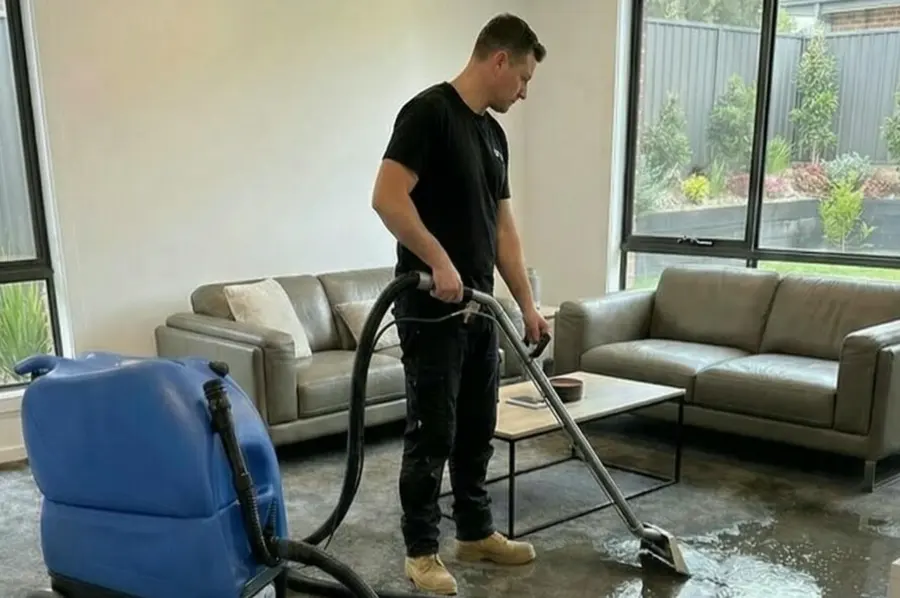 Emergency Water ExtractionTruck-mounted and portable extraction pulls standing water before drying starts.View service
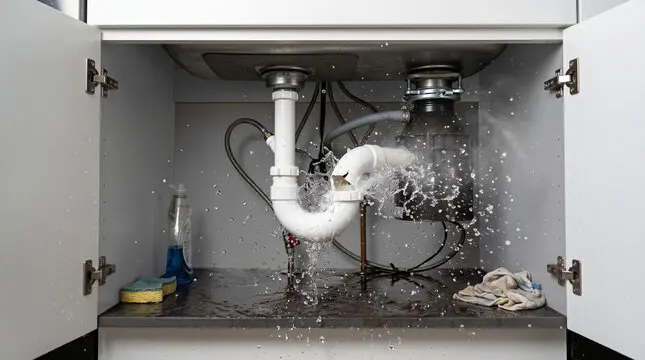 Burst Pipe Water DamageSupply line, angle stop and fitting failures dried inside the wall.View service
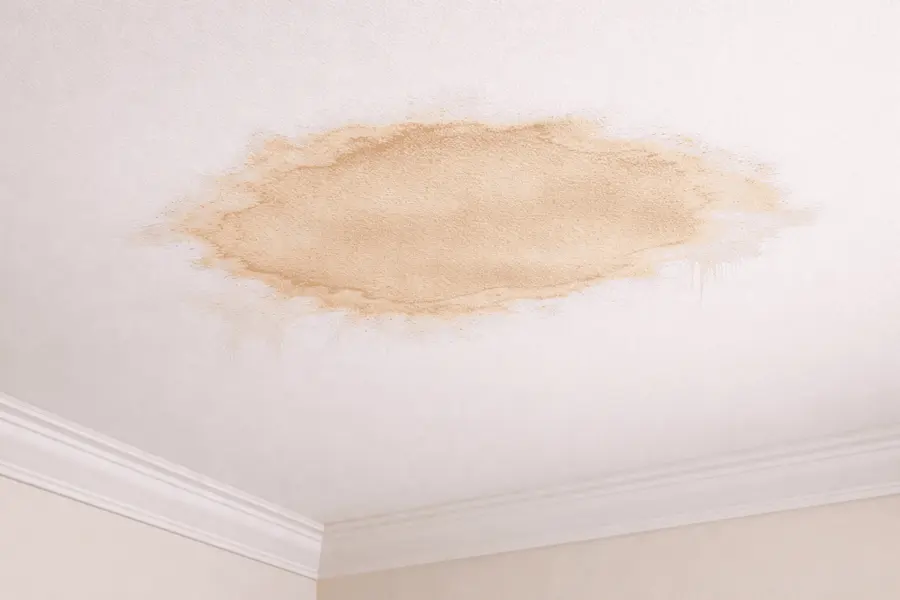 Ceiling Leak Water DamageUpstairs bathroom and unit-above leaks dried before drywall sags.View service
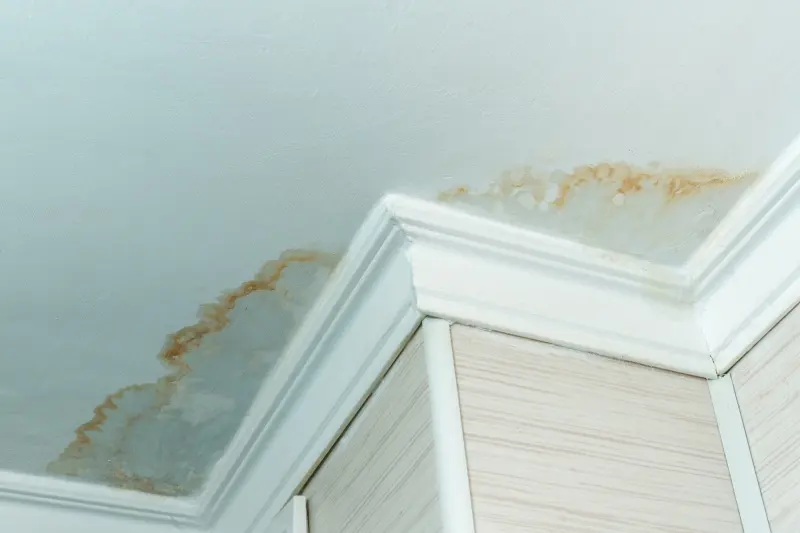 Roof Leak Water DamageAtmospheric-river rain through flat roofs, tile and flashing.View service
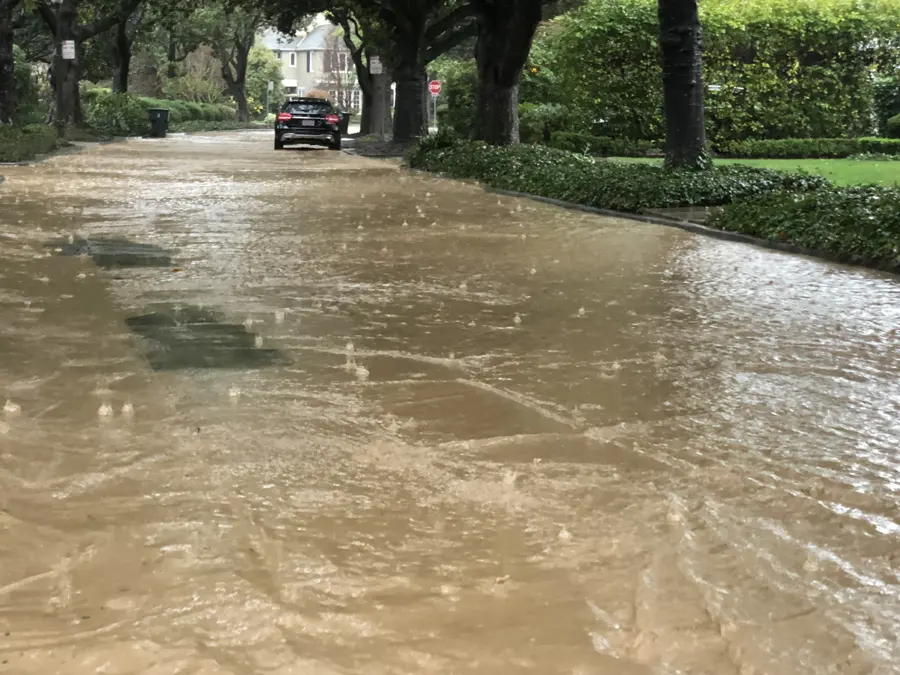 Storm & Creek Flood CleanupCreek and street runoff treated as Category 3 and cleaned out.View service
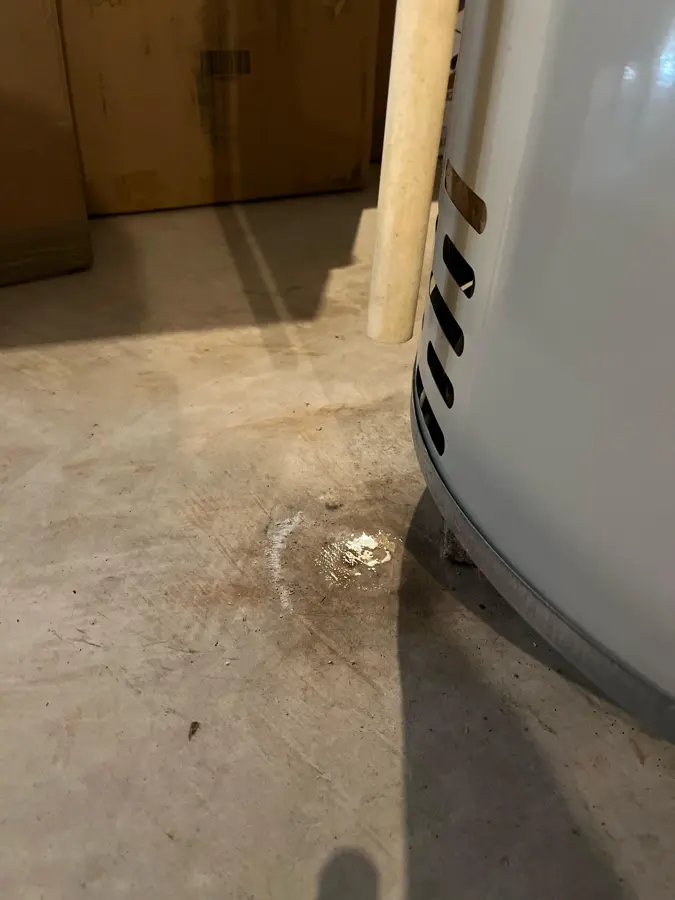 Water Heater Leak CleanupGarage and closet tank failures extracted and dried fast.View service
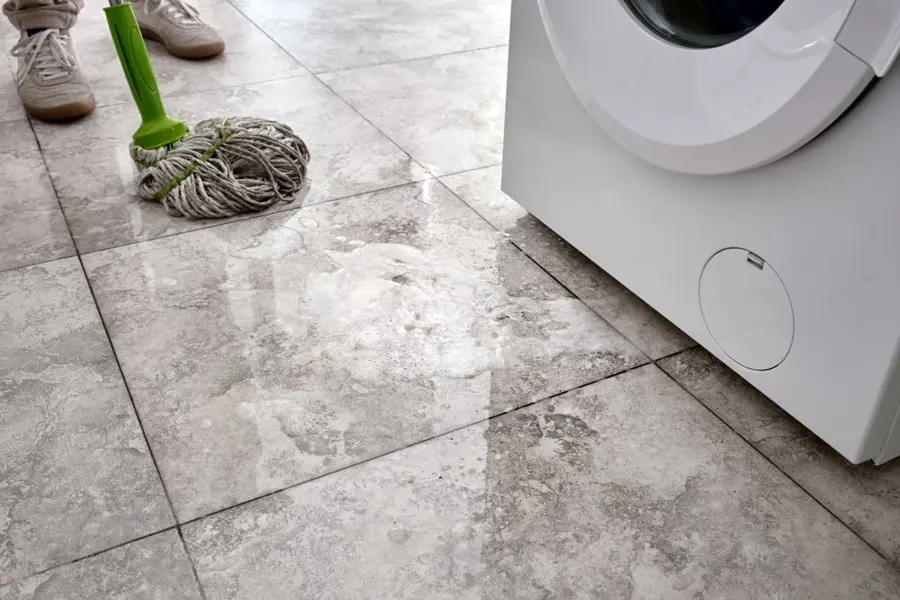 Washer & Dishwasher Leak CleanupUpstairs laundry, dishwasher and fridge line leaks.View service
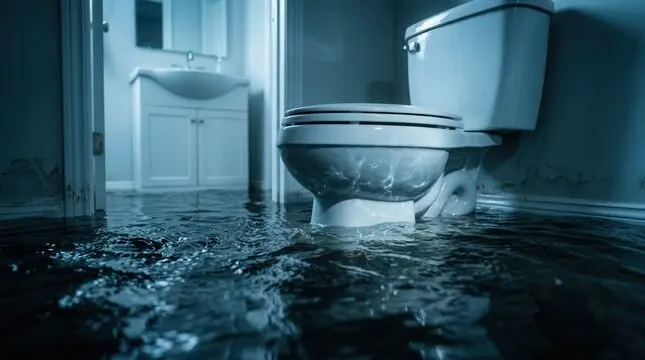 Toilet Overflow CleanupClean-tank overflows dried; bowl overflows handled as Category 3.View service
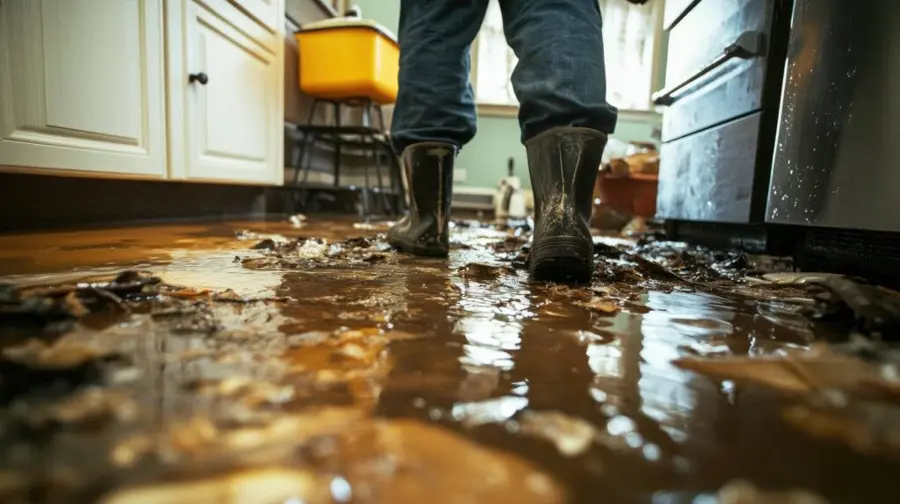 Sewage Backup CleanupCategory 3 backups contained, removed and sanitized.View service
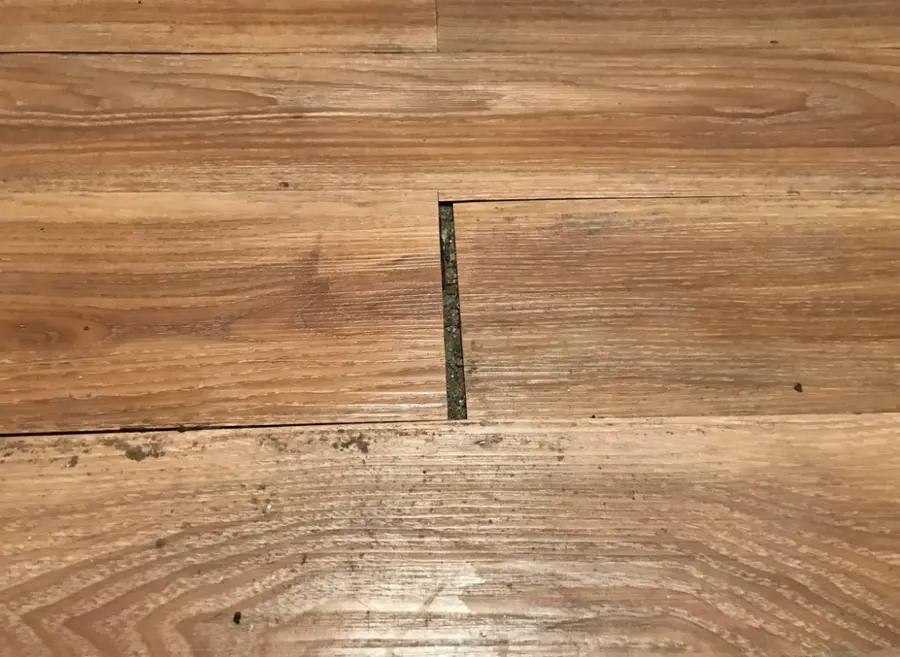
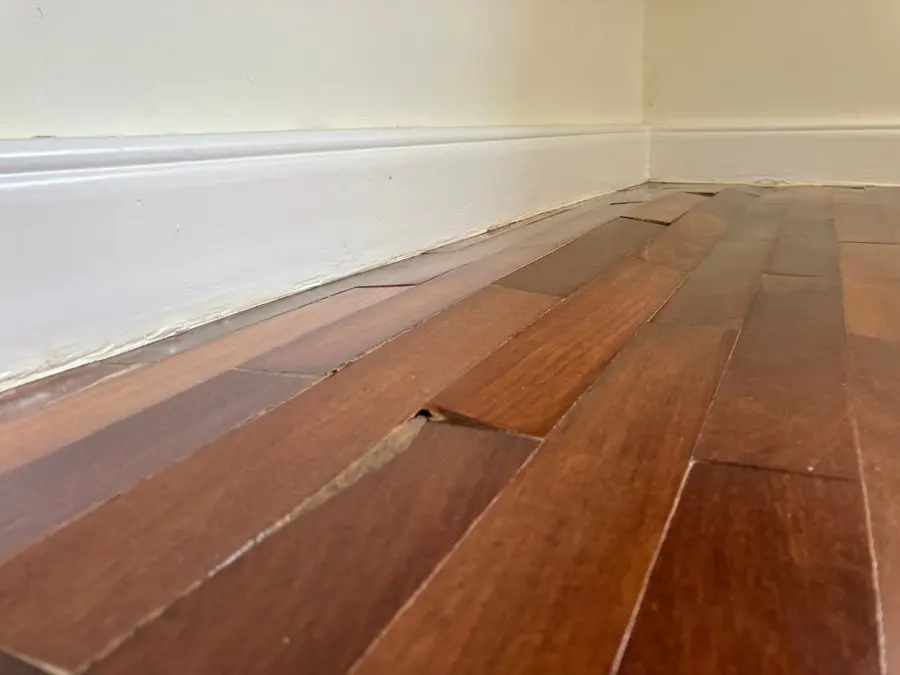 Hardwood & Laminate Floor Water DamageCupping hardwood and swelling laminate over slab, dried with mats.View service
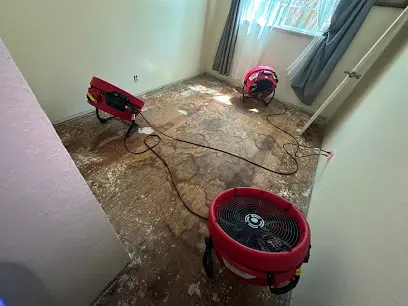 Structural Drying & DehumidificationFraming, drywall and subfloor dried to the IICRC S500 goal.View service
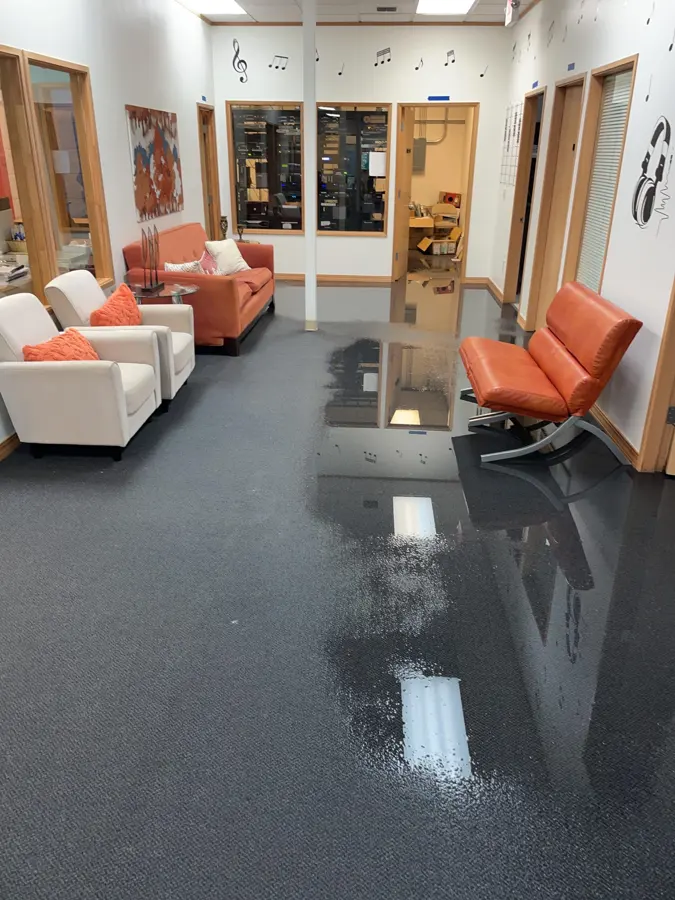 Commercial Water DamageOffices, labs and retail dried around business hours.View service
What to do while the water is still moving
- 1Shut the main
Close the main valve, usually near the front of the lot or where the line enters the garage.
- 2Kill wet circuits
Switch off breakers for wet rooms, but only if the panel itself is dry.
- 3Stay clear of outlets
Keep people and pets out of standing water near outlets and cords.
- 4Photograph first
Take photos before moving anything; they anchor the claim file.
- 5Lift rugs, then call
The first 24 to 48 hours decide how much can be dried in place.
Water damage dried to the IICRC S500 standard
What separates a finished dry-out from a cosmetic one is the order of the work. The drying team measures first, extracts second and leaves only on the readings.
- 1
Map the moisture
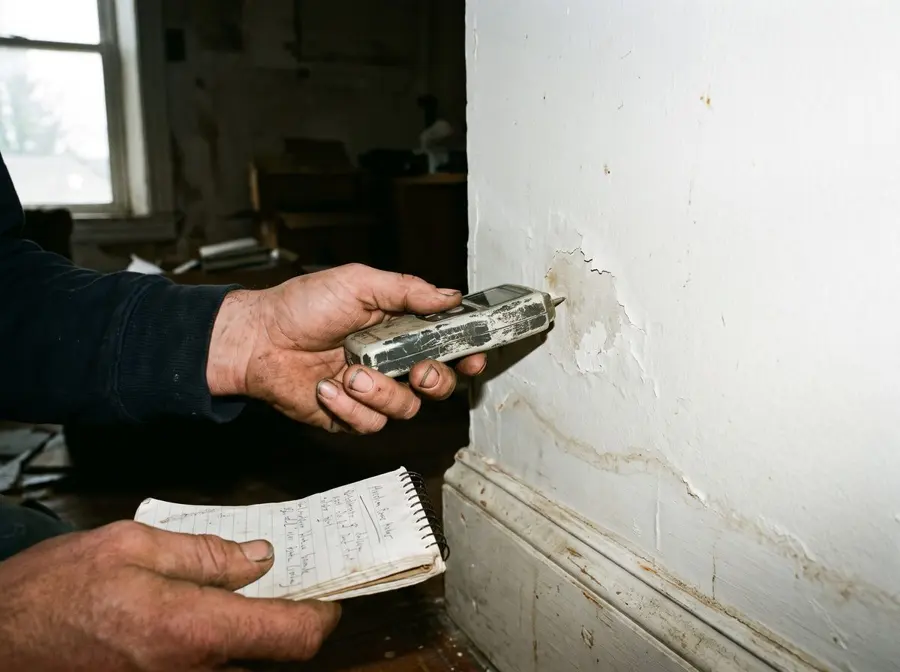
The tech who does the walkthrough maps every wet wall, floor and ceiling with thermal imaging and pinless meters before any equipment goes down.
- 2
Extract
The extraction crew pulls standing water with truck-mounted or portable extraction, so the water leaves the building instead of moving to the next room.
- 3
Dry the structure
Air movers go in at each room's evaporation load, with LGR dehumidifiers pulling that moisture back out of the air.
- 4
Verify dry
Readings are logged daily, and equipment comes out only when wet materials sit within 2 to 4 points of a dry reference.
The gear a real dry-out runs on
- Thermal imaging and pinless meters to find water behind walls
- Truck-mounted and portable extractors
- Air movers set to each room's evaporation load
- LGR dehumidifiers, desiccants for slabs and hardwood
- HEPA air scrubbers and containment on contaminated losses
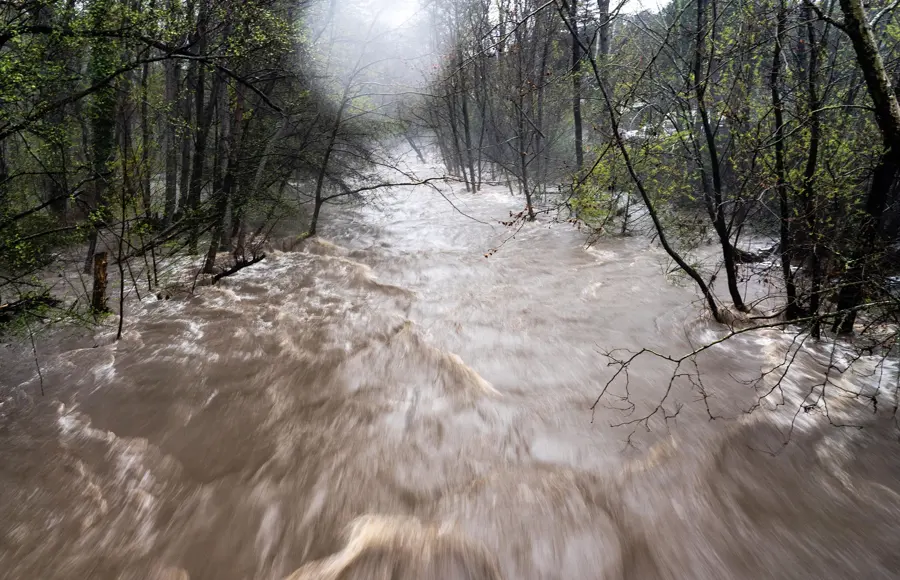
Coyote Creek and Berryessa Creek flood season
Nearly all of Milpitas rain falls between November and March, often in a few atmospheric-river storms.
- Berryessa, Calera and Lower Penitencia creeks carry hillside runoff through town to Coyote Creek.
- Low streets, garages and ground-floor units on the Bay side take water when storm drains back up.
- Outside flood water is Category 3 and is cleaned out, not just dried.
All water damage categories covered in Milpitas, CA
Category 1, 2 and 3 water are handled differently, and the category decides what can be dried and what has to go.
Category 1, clean water
Supply lines, water heaters and ice-maker tubing. Extracted fast and usually dried in place.
Category 2, gray water
Washer and dishwasher discharge or a clean leak left sitting. Soaked pad and porous items are often removed.
Category 3, black water
Sewage, bowl overflows and outside flood water. Porous materials come out, then cleaning and antimicrobial.
Sewage backup cleanupWhat does water damage restoration cost in Milpitas, CA?
In Milpitas, CA, water damage restoration typically runs $700 to $10,000 or more, depending on the water category, the square footage that got wet, the material class and how fast drying started. Sewage, creek flooding and multi-unit condo losses sit at the high end.
| Loss size | Typical range | What usually drives it |
|---|---|---|
| Contained, one area | $700 to $2,500 | Clean water, caught early, air movers and daily readings |
| Several rooms or two levels | $2,500 to $6,000 | Wall cavities and flooring, some material removal, LGR dehumidifiers |
| Major or Category 3 | $6,000 to $10,000+ | Sewage or flood water, containment and removal, full structural drying |
These are typical ranges, not quotes. For a closer planning number, use the water damage cost calculator or the drying time estimator.
Documentation for your insurance claim
A water claim is decided on the file. A complete file from the restoration team carries:
- The moisture map from day one
- Daily psychrometric and moisture logs
- Timestamped photos taken before any demolition
- The category and class of the loss
- A line-item scope in the format adjusters expect
Sudden and accidental discharge, like a burst supply line, is treated differently from rising surface water, which falls under flood coverage. Coverage depends on your policy, so it is worth checking with your own insurer.
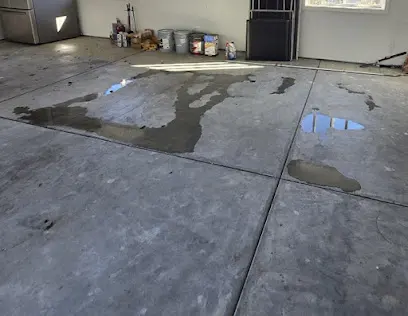
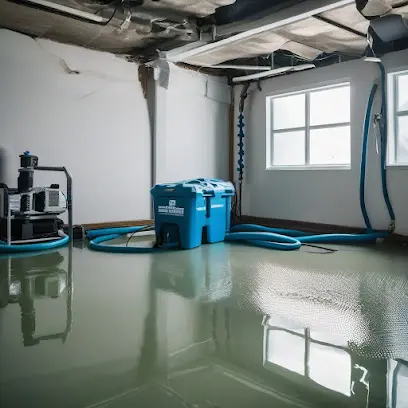
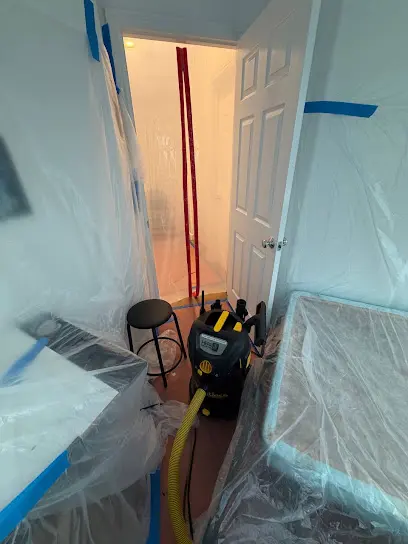
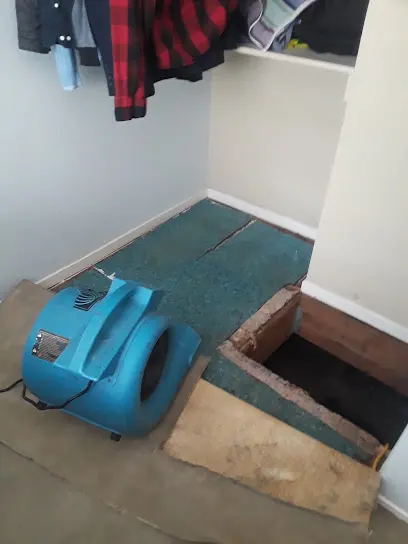
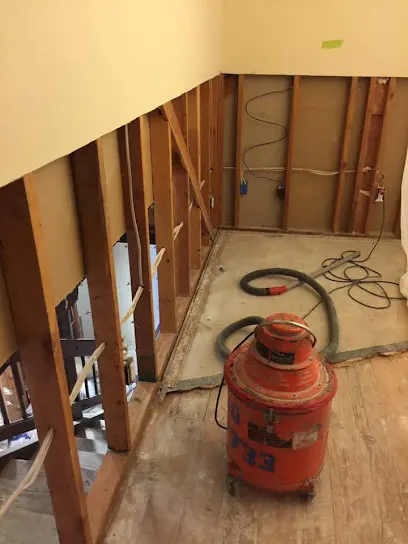
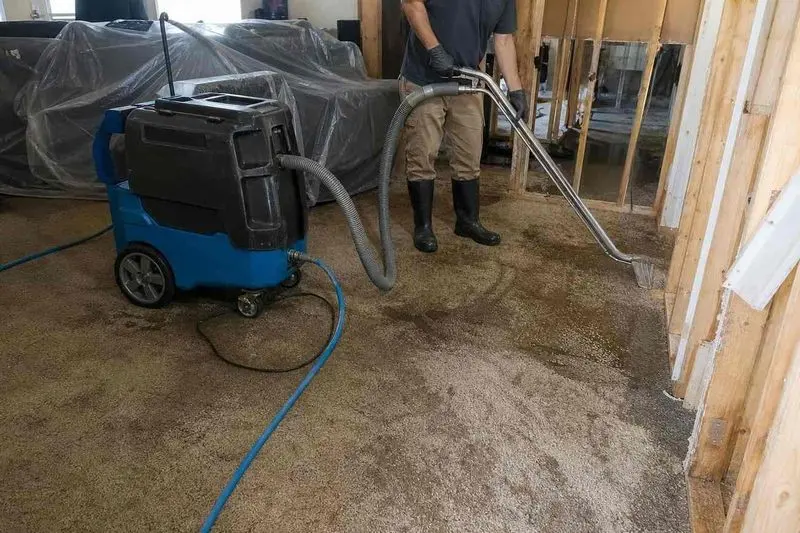
What a water damage dry-out looks like in Milpitas
One call reaches Milpitas water damage pros, 24/7
The restoration team covers Milpitas from McCarthy Ranch on the Bay side to the hillside streets below Ed Levin County Park.
ZIP codes covered
Milpitas neighborhoods
Nearby cities

Water damage in Milpitas, CA: the local risk profile
Milpitas water losses follow its three building eras and its short, heavy rainy season.
- 1Late-1950s to 1970s ranch homes sit on slabs over expansive clay, where aging copper lines develop slab leaks.
- 21980s to 2000s condos off Jacklin Road and Calaveras Boulevard share walls, so one failed supply pipe can soak the unit next door or below.
- 3Transit Area townhomes put laundry and water heaters on upper floors, where a leak runs down two levels.
- 4November to March storms overload flat-roof drains and push the creeks toward the Bay side of town.
Milpitas water damage questions, answered
What should I do first when water is spreading?
If it is safe, close the main water valve and switch off the breakers for wet rooms, but only if the panel is dry. Stay out of standing water near outlets, photograph the damage before moving anything, lift rugs off wet floors, then call. The first 24 to 48 hours decide how much can be dried in place.
How quickly does the restoration team respond in Milpitas?
Dispatch runs around the clock, and emergency water calls are treated as urgent, nights, weekends and holidays included. Extraction starts as soon as the crew is in the building, because every hour of standing water soaks deeper into floors and walls.
What causes most water damage in Milpitas homes?
Slab leaks in 1950s to 1970s ranch homes, washer, toilet and water heater leaks in stacked condos and townhomes, roof and drain leaks during winter atmospheric-river storms, and sewer lateral backups in the older tracts.
How long does drying take?
A contained Class 1 loss, one room with low-porosity materials, usually dries in three to five days. Hardwood, concrete slabs and multi-level townhome losses take longer. The equipment leaves when the readings say dry, not on a fixed schedule.
What is IICRC S500?
IICRC S500 is the industry drying standard for water damage restoration. It covers how losses are categorized, how drying equipment is set up and how drying is verified with measurements against a dry reference material.
Is water damage covered by insurance?
Sudden and accidental water, such as a burst supply line, is often covered under a homeowners policy after the deductible, while rising surface water usually falls under flood insurance. Coverage depends on your policy, so it is worth checking with your own insurer.
Who handles a leak between two condo units?
The restoration team traces the water through every affected unit and keeps a separate log for each. Who pays usually depends on the HOA governing documents and each owner's policy.
What is the difference between mitigation and repair?
Mitigation stops the damage: extraction, removal of materials that cannot be saved and structural drying. Repair, such as new drywall, paint or flooring, is a separate phase that starts once the structure is dry.
Why is sewage treated differently?
Sewage backup is Category 3 the moment it happens. Porous materials it touched are removed, not dried, the area is contained and hard surfaces are cleaned and treated with an EPA-registered antimicrobial.
How is the cost of a water damage job worked out?
The water category, the square footage that got wet, the material class and how quickly drying started drive most of the cost. The cost calculator gives a planning range for Milpitas losses.
Water in your Milpitas home? Call now.
Standing water spreads into subfloor, baseboard and drywall within hours. The Milpitas restoration crew extracts it, dries to the IICRC S500 goal and logs every reading.